
RoostGPT
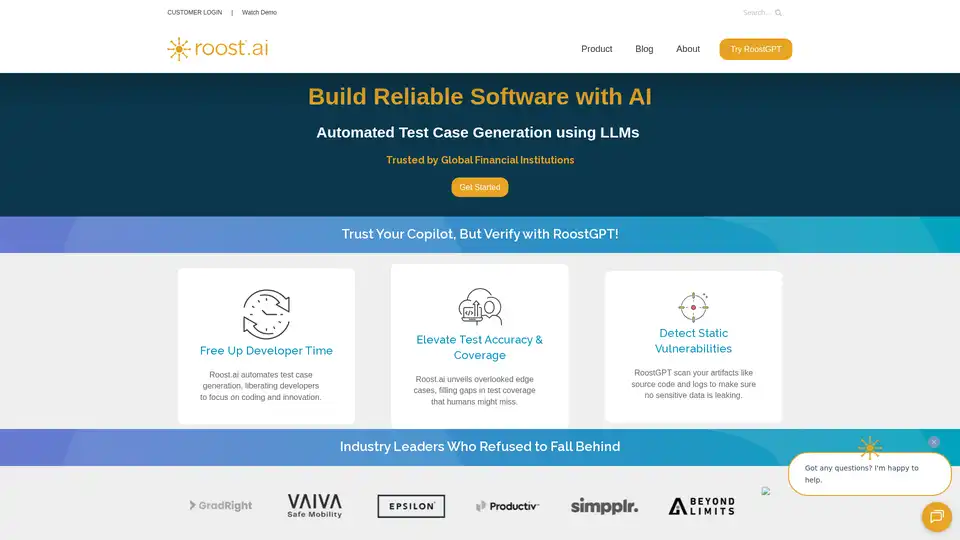
Overview of RoostGPT
RoostGPT: AI-Powered Test Case Generation and Code Scanning
RoostGPT, developed by Roost.ai, is an innovative AI-driven tool designed to automate test case generation and enhance code security. It leverages generative AI and large language models (LLMs) like GPT-4, Gemini, Claude, and Llama3 to generate comprehensive test cases, improve test coverage, and detect static vulnerabilities, enabling developers to build more reliable software efficiently.
What is RoostGPT?
RoostGPT is an automated test case generation tool that utilizes AI to free up developer time by automating repetitive tasks. It aims to improve code quality, reduce the risk of overlooked vulnerabilities, and ensure high test coverage, all while allowing developers to focus on innovation.
How RoostGPT Works?
RoostGPT employs several key mechanisms to achieve its objectives:
- AI-Powered Test Case Generation: RoostGPT uses LLMs to analyze source code, identify potential edge cases, and automatically generate test cases. This ensures thorough testing across various scenarios.
- Enhanced Test Accuracy & Coverage: By exploring overlooked edge cases, RoostGPT fills gaps in test coverage that humans might miss, leading to more accurate and reliable software.
- Static Vulnerability Detection: RoostGPT scans source code and logs to identify sensitive data leaks and static vulnerabilities, bolstering overall security.
Key Features and Benefits
- Automated Test Case Generation: Save time and resources by automating the creation of test cases.
- Improved Test Coverage: Ensure comprehensive testing by identifying and covering overlooked edge cases.
- Static Vulnerability Detection: Proactively identify and address security vulnerabilities in your code.
- Integration with Existing Workflows: Seamlessly integrate RoostGPT into your existing development processes.
Why Choose RoostGPT?
- Enhanced Efficiency: RoostGPT automates the tedious aspects of testing, allowing developers to concentrate on coding and innovation.
- Better Code Quality: By ensuring thorough testing, RoostGPT helps developers create more robust and reliable software.
- Proactive Security: Early detection of vulnerabilities reduces the risk of security breaches and data leaks.
Who is RoostGPT for?
RoostGPT is suitable for:
- Software development teams aiming to automate and improve their testing processes.
- Organizations seeking to enhance the quality and reliability of their software.
- Companies that need to ensure robust security measures in their software development lifecycle.
How to use RoostGPT?
- Integration: Integrate RoostGPT into your development environment.
- Configuration: Configure the tool to suit your specific testing requirements.
- Automated Testing: Allow RoostGPT to automatically generate and execute test cases.
- Review and Refine: Review the generated test cases and refine them as needed.
By automating test case generation, improving test coverage, and detecting static vulnerabilities, RoostGPT helps developers build more reliable and secure software efficiently. It's an ideal tool for teams looking to enhance their testing processes and code quality. RoostGPT stands out as a valuable asset in the world of AI-driven software development, helping organizations stay ahead in a rapidly evolving technological landscape.
Best Alternative Tools to "RoostGPT"
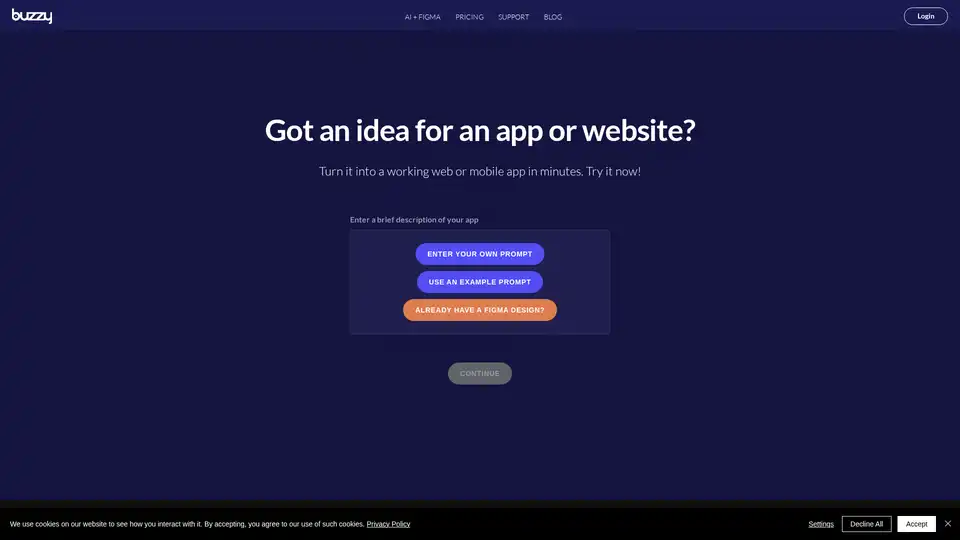
Buzzy is an AI-powered no-code platform that transforms ideas into high-quality Figma designs and full-stack web or mobile apps in minutes. Start from scratch or integrate with Figma without coding for rapid app development.
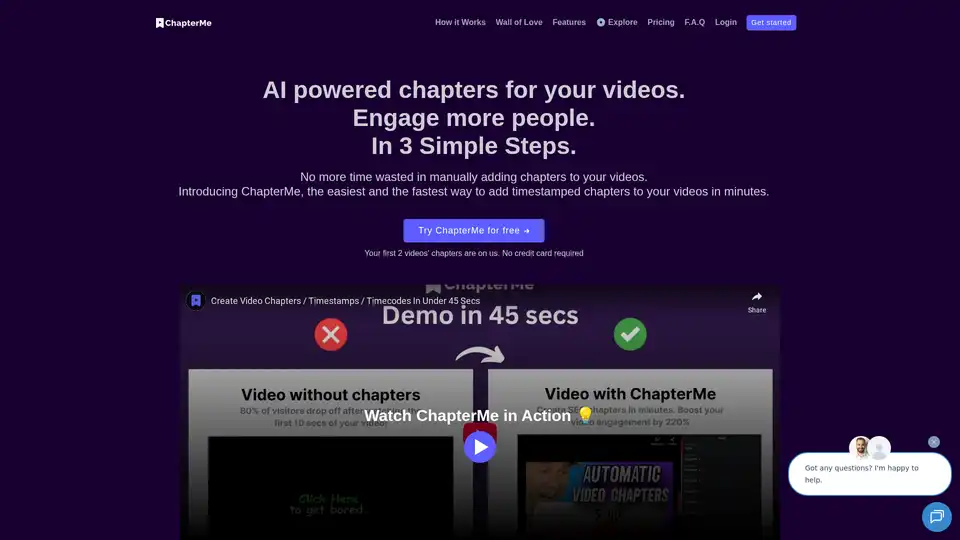
ChapterMe ChapterGPT uses AI to generate timestamped chapters for videos and podcasts in minutes, saving time and boosting engagement with SEO-optimized features.

Supercharge your testing with QAEverest.ai, an AI-powered platform for test automation, AI test case generation, and codeless testing, improving coverage and reducing testing efforts.
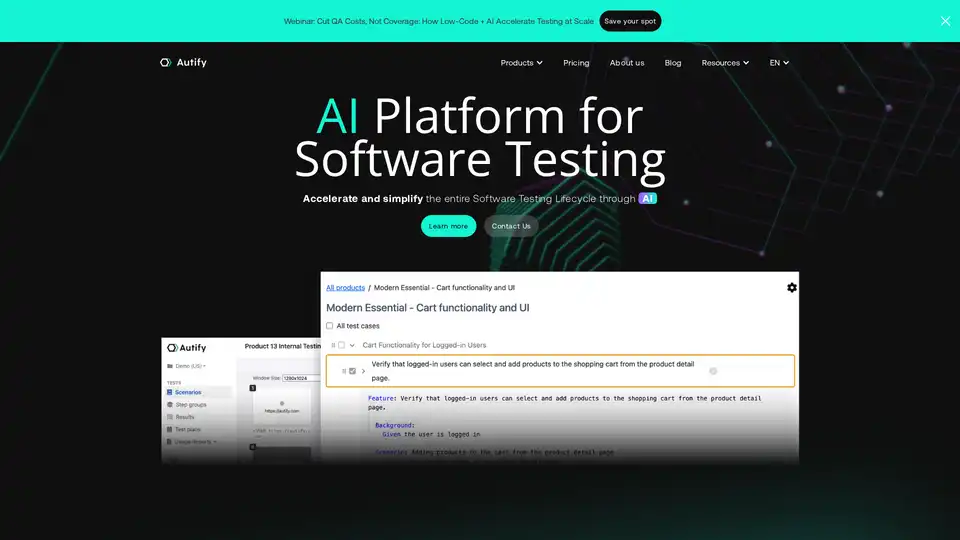
Autify's AI-powered Quality Engineering Platform streamlines software testing with AI-driven test automation, test case generation, and mobile testing solutions for iOS and Android applications.
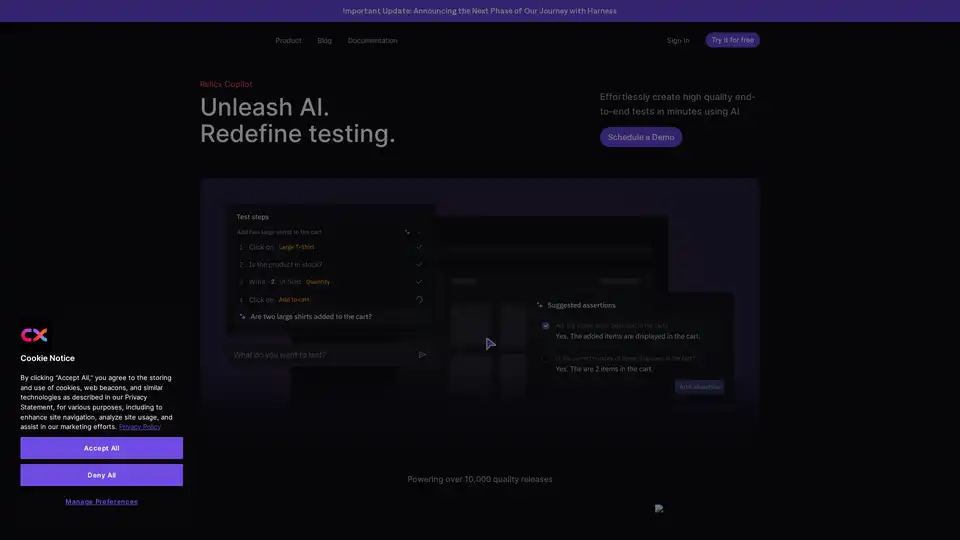
Relicx is a Generative AI-powered software testing tool that allows users to create high-quality end-to-end tests in minutes using natural language. It enhances testing ecosystems with advanced capabilities for automating user acceptance testing and integrates seamlessly into CI/CD pipelines.
Atai is an AI-powered automated testing platform that uses Vision AI to write and maintain tests, saving time and reducing costs. Offers both lifetime license and cloud subscription options.
TestGrid is an AI-powered end-to-end testing platform that simplifies software testing with features like codeless testing, cross-browser testing, and mobile app testing. It helps teams release software faster and ensure quality.
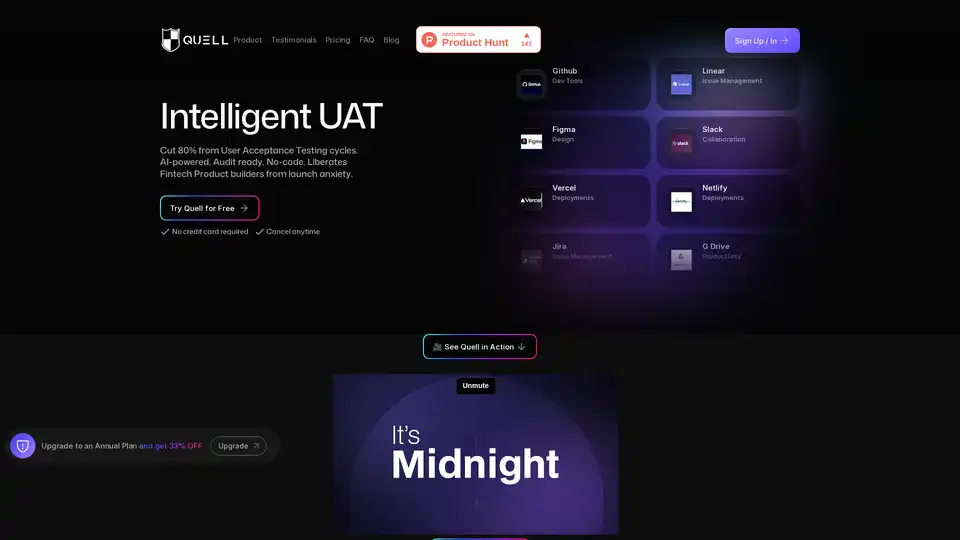
Quell is an AI-powered UAT platform automating acceptance testing and bug detection. It integrates with tools like Jira, Slack, and Figma, reducing UAT cycles by 80% and ensuring compliance.
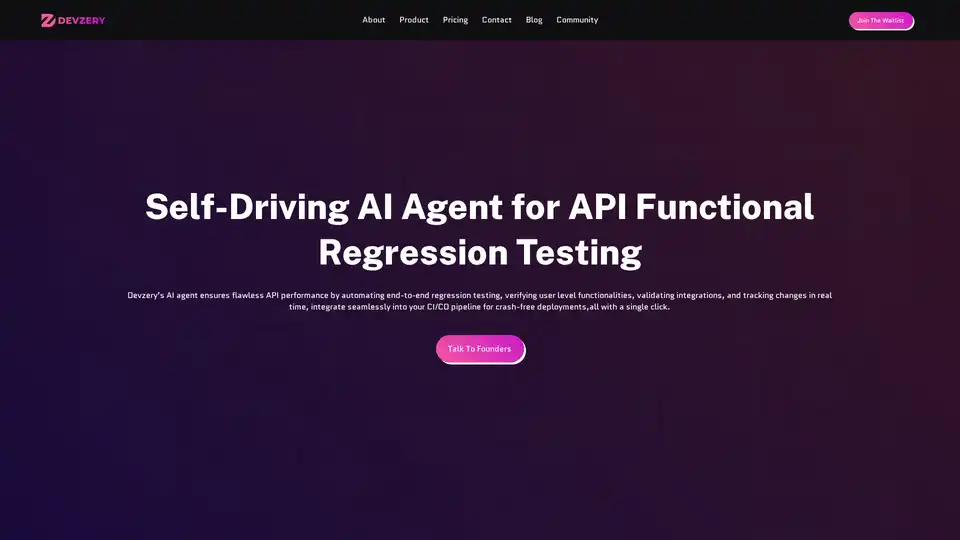
Devzery revolutionizes API testing with AI-driven automation for regression, integration, and load tests. Integrate into CI/CD pipelines for faster, bug-free releases and enhanced efficiency in software development.
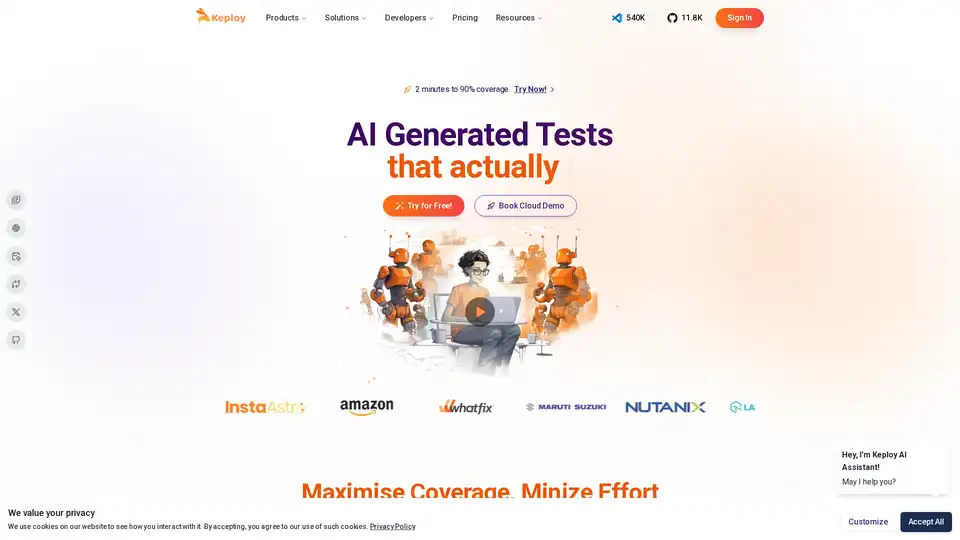
Keploy is an AI-powered, open-source testing platform that automates unit, integration, and API testing. It uses AI to generate test cases and mocks, achieving up to 90% test coverage rapidly. Ideal for developers seeking efficient testing.
Vilosia helps enterprises migrate legacy systems with an AI-powered platform. Build reliable Go backends faster using natural language and test-driven development. Visualize code and simplify migration.
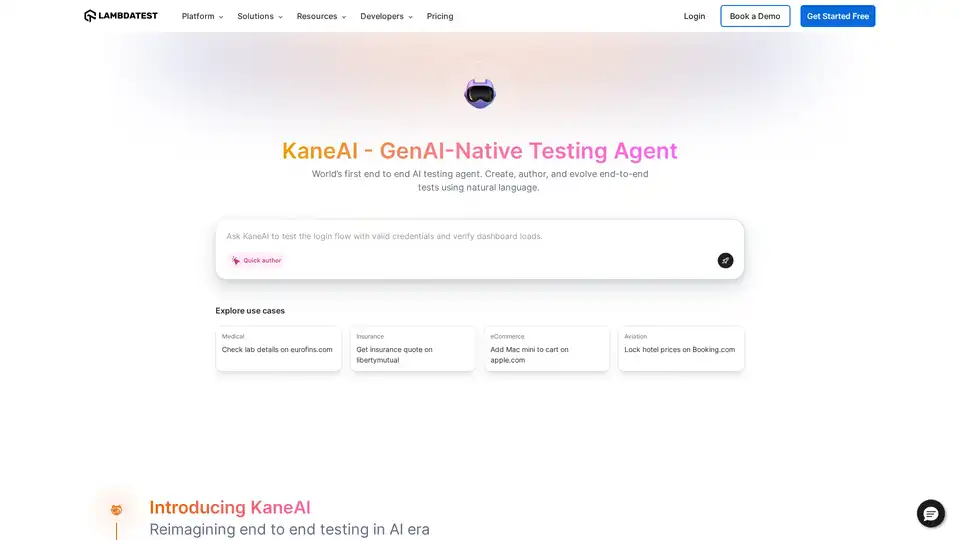
KaneAI is a GenAI-Native testing agent for high-speed Quality Engineering teams. It enables planning, authoring, and evolving tests using natural language. Discover efficient AI-driven test automation today.
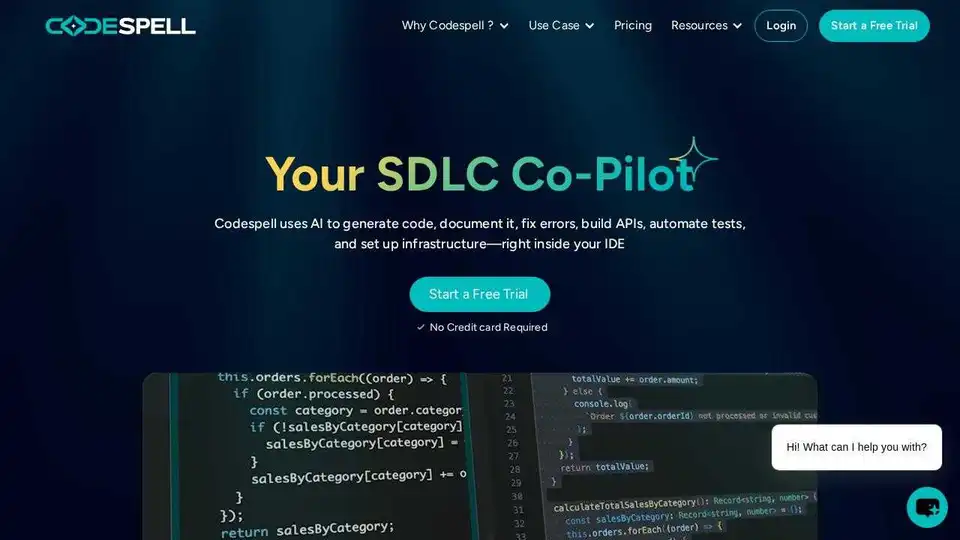
Codespell.ai is an AI-powered tool supporting the entire SDLC. Accelerate code completion, enhance productivity, and streamline development with automated testing and DevOps integration.
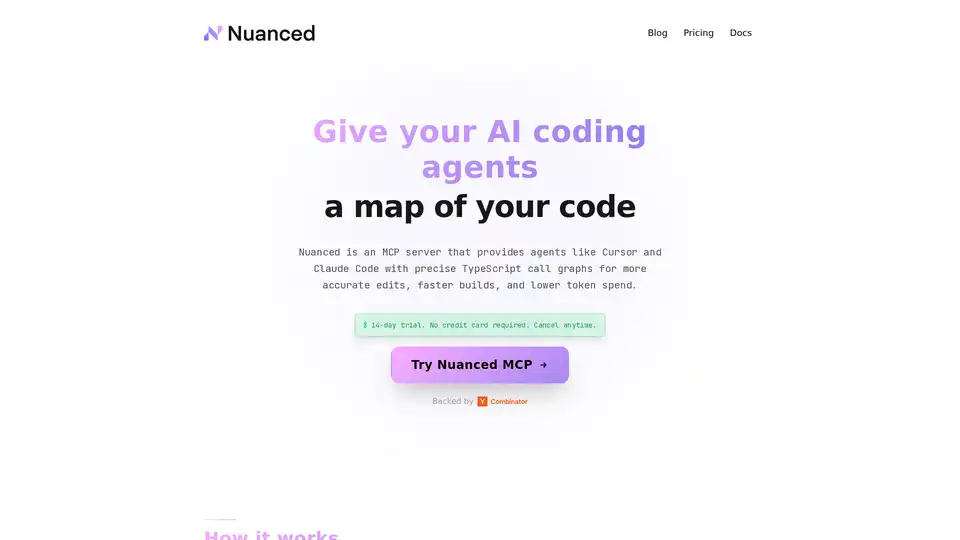
Nuanced empowers AI coding tools like Cursor and Claude Code with static analysis and precise TypeScript call graphs, reducing token spend by 33% and boosting build success for efficient, accurate code generation.