AI-Generated Avatars & Anime-Style Photos: Digital Identity's Artistic Revolution
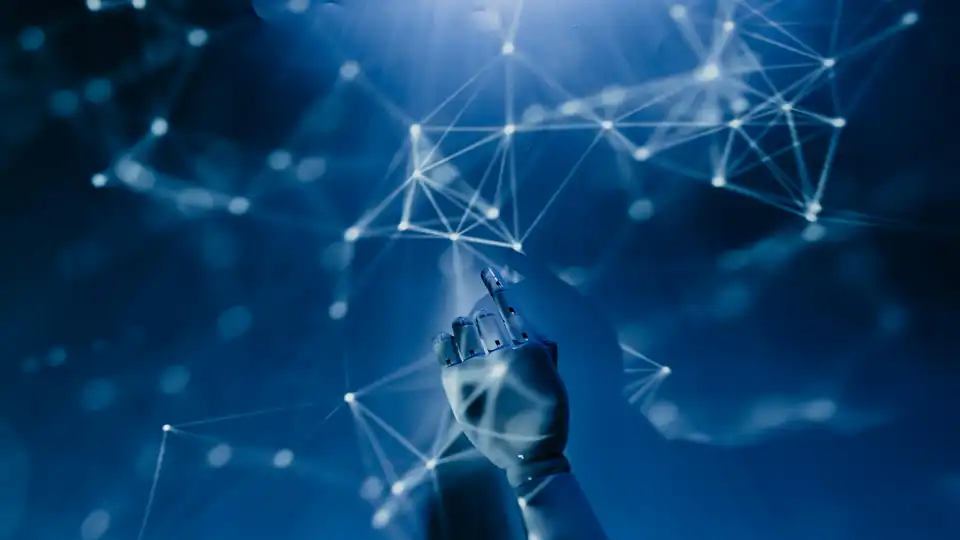
In today's world, where our digital identity is more important than ever, AI-generated avatars and anime-style photos are experiencing an unprecedented boom. From personal branding on social media to corporate visual identities, from professional artists to everyday enthusiasts, this visual revolution is rapidly reshaping how we express ourselves and appreciate art. This article will dive into the history, current applications, creation methods, and future trends of this technology, bringing you to the cutting edge of digital avatar art.
From Pixels to Photo-Realism: The Evolution of AI Avatar Tech
The journey of AI-generated avatar technology perfectly mirrors the broader breakthroughs in artificial intelligence within the visual realm. This path has unfolded across several key stages:
Early Steps: Rules & Templates (2015-2018)
Initial AI avatar generators were pretty basic, relying mostly on pre-set templates and simple algorithms. Users could tweak limited parameters like skin tone, hairstyle, or facial features. These systems heavily depended on manually defined rules, which meant creativity and personalization were quite limited. Back then, products like Bitmoji and the first version of FaceApp saw some traction, but their output often looked obviously "templated."
The GAN Era: Generative Adversaries Break Through (2018-2021)
The introduction of Generative Adversarial Networks (GANs) marked a huge leap forward for AI avatar technology. StyleGAN and its later iterations, starting in 2018, could create astonishingly realistic faces.1 While these technologies initially served academic research and niche commercial uses, they quickly gave rise to creative platforms for the masses, like Artbreeder.
One digital artist reminisced, "When I first used a GAN-based avatar generator, the awe was just indescribable—it wasn't just combining features; it was truly 'understanding' the structure and aesthetics of the face."
Diffusion Models: A Jump in Quality & Control (2021-Present)
The emergence of diffusion models has pushed AI avatar generation to new heights.2 These models can produce incredibly detailed and artistic images through a gradual denoising process, while also giving users much more precise control.3 The launch of Stable Diffusion, Midjourney, and the DALL-E series truly brought AI avatar creation into the mainstream, with applications spanning personal entertainment, professional art, and commercial use.
According to data from the creative platform Artguru, demand for AI avatar generation surged by 217% year-over-year in the fourth quarter of 2023. Even more impressively, demand for anime-style conversions skyrocketed by 340%, clearly showing how enthusiastically the market has embraced this technology.
The Rise of Anime-Style Photos: A Transcendent Visual Experience
Transforming real photos into an anime style is a unique niche within AI image processing, a field that has evolved significantly from simple filters to sophisticated deep learning conversions.
The Technical Path: From Filters to Neural Style Transfer
Early attempts at anime-style conversion largely depended on basic image processing filters. These would apply preset color adjustments and edge detection algorithms to mimic an anime look. While easy to use, the results often lacked the depth, nuance, and emotional expression found in genuine anime art.
In 2016, the arrival of neural style transfer technology ushered in a new era. Researchers discovered that deep learning networks could be trained to extract the unique stylistic features from artworks and then apply them to photographs.4 However, these initial neural style transfer algorithms were slow and not always great at adapting different styles.
More recently, specialized AI models for anime styles, like AnimeGAN and Waifu Diffusion, have dramatically improved both the quality and efficiency of these conversions.5 By studying tens of thousands of anime works, these models can now more accurately capture the essential characteristics of anime art, such as distinctive line textures, vibrant color contrasts, and exaggerated features.
Case Study: Animify Studio's Anime Transformation in Japan
Animify Studio in Tokyo was once a traditional photography business. In early 2022, they started experimenting with AI anime-style conversion services. Within just six months, their customer base tripled. Founder Yosuke Tanaka shared their insights:
"Initially, we only offered AI as a supplementary service, but we quickly realized that customer demand for anime-style photos far exceeded our expectations. Young people, especially, are eager to see themselves reflected in the anime aesthetic they love."
Animify uses a hybrid workflow:
- Professional photographers capture high-quality portrait photos.
- A custom AI model performs the initial style conversion.
- Skilled illustrators then do post-processing adjustments to ensure artistic quality and fine detail.
- They offer customers a choice of multiple anime styles, from classic shojo manga to modern cyberpunk.
This human-machine collaboration model has allowed them to significantly boost production efficiency while maintaining high artistic quality, cutting the time to create a polished anime-style photo from an average of 2-3 days down to just 3-4 hours.
Fueling the Trend: Global Pop Culture's Influence
The explosion in popularity of anime-style AI avatars is inseparable from the global spread of anime culture itself. According to statistics, the global anime market size grew from $24 billion in 2019 to $35 billion in 2023, representing an average annual growth rate of about 10%. Anime has become a major part of mainstream culture, particularly among Gen Z and Millennials.
A report by South Korean market research firm GWI revealed that 46% of respondents aged 18-25 expressed "very high interest" in converting themselves into anime-style images. This proportion was even higher in the Asian market, reaching 52%.
The Creator's Edge: Practical Tips for AI Avatar Generation
For creators looking to leverage AI to produce high-quality avatars and anime-style photos, here are some practical tips from industry pros:
Choosing the Right Tools & Platforms
The AI avatar generation tools on the market each have their own strengths:
All-Round Platforms:
- Midjourney: Excellent for diverse artistic avatar styles, though it has a steeper learning curve.6
- DALL-E 3: Strong at converting text descriptions into visuals, great for concept exploration.7
- Stable Diffusion: Its open-source nature makes it highly customizable, with robust community support.8
Specialized Avatar Tools:
- Avatar AI: Focuses specifically on generating professional social avatars.
- Lensa: Known for its "magic" styles and artistic filter effects.9
- Artbreeder: Offers granular control for mixing and adjusting features.10
Anime-Style Specialists:
- NovelAI: Optimized for anime styles, with fantastic detail control.11
- AnimeGAN2: An open-source project that delivers natural photo-to-anime effects.12
- Waifu Diffusion: Focuses on a diverse range of anime aesthetic styles.13
"Every tool is like a different paintbrush, and understanding their unique characteristics is crucial for efficient creation," explained one professional designer. "For example, when I need a professional avatar with a strong personal style, I lean on Midjourney. But for a quick anime-style conversion, AnimeGAN2 is often my first pick."
Prompt Engineering: The New Language of Creation
Designing effective prompts is absolutely key to getting the AI images you envision. A well-structured prompt usually includes these elements:
- Subject Description: Clearly define the character's basic traits.
- Style Guidance: Specify the desired artistic style (e.g., "Ghibli Studio style" or "Cyberpunk style").
- Technical Parameters: Specify rendering techniques, detail levels, and quality requirements.
- Reference Anchors: Mention well-known artists or works as style references.
For instance, here’s a highly effective prompt example:
Professional portrait photo, young Asian woman, short hair, smile, warm natural light, converted into a Hayao Miyazaki-style anime character, delicate lines, soft colors, high-detail eyes, 8k resolution, studio-level lighting
Post-Processing: Polishing AI-Generated Art
While AI generation tools are becoming incredibly powerful, professional creators rarely rely solely on the initial output. Post-processing is a crucial step for elevating the quality of the work:
- Detail Refinement: Use tools like Photoshop to enhance facial details and correct any unnatural areas.
- Color Adjustment: Harmonize tones and intensify the artistic style.
- Composition Optimization: Crop and recompose to emphasize the subject.
- Background Processing: Replace or enhance the background to perfectly match the overall style.
Digital artist Elena Petrova shared her workflow: "I see AI as a collaborative partner, not a replacement. I usually generate 10-15 variations and then pick the 2-3 most promising ones for in-depth post-processing. This human-machine combination allows me to maintain both creative efficiency and artistic integrity."
Industry Applications: From Fun to Professional Power
The application of AI avatars and anime-style conversion has expanded far beyond just personal entertainment, now touching multiple professional fields:
Brand & Marketing Visuals
More and more brands are starting to incorporate AI-generated avatars into their visual identity. In a 2023 Asia-Pacific marketing campaign, sports brand Nike used AI technology to convert consumer photos into anime-style athlete images. This resulted in a 37% higher participation rate compared to traditional marketing campaigns.
Social e-commerce platform Depop introduced an AI avatar function, enabling sellers to create a unified visual style for their shops. Data indicates that stores using custom AI avatars saw their average order volume increase by 22%.
Gaming & Virtual Reality
The gaming industry is a significant area for AI avatar technology. Korean game developer Netmarble introduced a "Photo-to-Character" feature in its mobile game "Knights Chronicle," allowing players to transform their photos into in-game characters. This feature led to a 28% increase in active users within just one month of its launch.
With the burgeoning concept of the metaverse, demand for personalized virtual avatars has soared. Virtual social platform VRChat reported that user-defined avatar demand jumped 156% year-over-year in 2023, with over 40% of users expressing a desire to use AI tools to simplify the avatar creation process.
Education & Content Creation
The education sector has also begun exploring AI avatar applications.14 An education technology survey across North America and Europe showed that online educational content featuring anime-style avatars boosted appeal for students aged 6-14 by 46%, with significant increases in participation and completion rates.
Content creators, especially educational channels on YouTube and TikTok, are increasingly adopting AI-generated anime-style characters for visual recognition and storytelling. According to YouTube analytics company VideoAmigo, educational channels that use consistent anime-style imagery have an average watch time 18% higher than similar channels using live-action footage.
Ethical Considerations & What's Next
While AI avatar technology unlocks massive creative potential, it also brings a host of ethical questions that the industry collectively needs to address:
Current Challenges
Identity Authenticity: Hyper-realistic AI-generated avatars could be misused for identity fraud and deepfakes. According to a report by cybersecurity firm Deeptrace, cases of identity fraud linked to AI-generated images surged by 87% year-over-year in 2023.
Bias and Representation: Early AI models often had glaring biases in their training data (racial, gender, age, etc.), leading to generated results that weren't accurate or reinforced stereotypes for certain groups.15 For example, some models historically struggled to accurately generate diverse skin tones or certain non-binary gender presentations without specific prompting, reflecting biases in the datasets they learned from.
Artist Rights: Using artists' existing works to train AI models without proper permission has ignited serious copyright disputes.16 In 2023, over 1,200 professional anime and manga artists collectively launched the "Respect Creation" initiative, urging AI developers to honor intellectual property rights for original works.
Positive Steps Forward
Technology Optimization: Newer generations of AI models are being developed with a stronger focus on diversity and inclusivity. Their training data now encompasses a much wider range of human appearances and artistic styles, working to reduce inherent biases.
Ethical Guidelines: Major platforms like Midjourney and DALL-E have implemented stricter content policies and generation restrictions to lower the risk of misuse.17
Creator Economy: Some platforms are starting to explore a "training contribution model," allowing artists to voluntarily contribute their works and receive fair compensation, fostering a more sustainable creative ecosystem.
Future Trends
With technology constantly evolving, we can anticipate that AI avatars and anime-style conversion will move in these exciting directions:
Video Animation: Expanding from static avatars to dynamic content, enabling real-time anime-style conversion of entire videos.
Cross-Media Consistency: Establishing a personal digital image system that can maintain a consistent look across different media formats (from social media profiles to virtual reality experiences).
Improved Semantic Control: More precise mapping from natural language descriptions to visual output, allowing non-professional users to achieve ideal images simply by describing them.
Enhanced Cultural Adaptability: Expect more diverse art style libraries, incorporating traditional and contemporary artistic expressions from cultures worldwide.
Conclusion
AI-generated avatars and anime-style photo technology are fundamentally redefining what's possible for digital identity and self-expression. From personal social media images to powerful professional brand visuals, from pure entertainment to valuable educational content, this technology is democratizing the visual creation process in unprecedented ways.18
For creators, brands, and everyday users alike, understanding and mastering these tools isn't just about keeping up with tech trends; it's a real opportunity to push creative boundaries. As one digital art critic wisely put it: "AI isn't meant to replace human creativity, but to provide a brand new creative language and medium of expression."
In this visual revolution, the lines between technology and art are blurring more and more. The real value lies in how we integrate these new tools into the ways we express our personalities, tell our stories, and connect with others. With the technology maturing and ethical frameworks improving, AI-generated avatars and anime-style conversions will continue to enrich the fabric of our digital experiences in ways we can barely imagine today.