
Ordinal

Overview of Ordinal
Ordinal: AI Research Assistant for Local Governments
Ordinal is an AI-powered research assistant designed to help local government staff quickly find and share consistent, accurate information. It allows government employees to ask questions and receive answers in seconds, drawing from approved documents, GIS data, municipal codes, and other datasets. This eliminates the need to sift through endless files or rely on memory, saving valuable time and resources.
What is Ordinal?
Ordinal is an AI platform designed to streamline information retrieval for local government employees. It acts as a research assistant, providing quick and accurate answers to inquiries by scanning through approved documents and datasets.
How does Ordinal work?
Ordinal works by leveraging AI to index and analyze a municipality's approved documents, GIS data, and other relevant information sources. When a user asks a question, Ordinal uses natural language processing (NLP) to understand the query and then searches its index for the most relevant information. The AI then synthesizes this information into a concise and accurate answer, providing references to the original source documents.
Key Features and Benefits:
- Time Savings: Reduces the amount of time staff spends researching and responding to inquiries.
- Knowledge Transfer: Ensures consistent and accurate answers are shared across the organization.
- Staff Training: Helps new hires quickly become acquainted with city codes and regulations.
- Accurate Answers: Pulls information only from approved documents and data sets.
- Instant References: Provides links to the original source documents for further context.
- Email Response Drafting: Automatically drafts email responses for staff to review and send.
- Grant Discovery: Helps cities find relevant federal grants from SAM.gov.
Why Choose Ordinal?
- Low Cost: Ordinal offers a cost-effective solution for improving information access.
- Secure Data: It maintains the security of sensitive government data.
- No IT Setup: Ordinal is easy to implement and requires no IT infrastructure.
- Easy to Use: Its intuitive interface makes it accessible to all staff members.
Who is Ordinal for?
Ordinal is designed for anyone working in local government, including:
- Planning Departments
- City Managers & Mayors
- Economic Development Teams
- Innovation & IT Departments
User Testimonials
- Rick B., Experienced City Planner: "This is a game changer for not just city planners, but anyone working in local government."
- Town Manager, Florida: "We can go to the source documents that are referenced and make sure that it's pulling what's correct. That's quite an impressive product."
- Innovation Manager, Arizona: "Ordinal is a 10 because the interface is SO much better than just a chat bot."
How to Use Ordinal?
Simply ask a question in natural language, and Ordinal will provide an answer in seconds, referencing the approved documents and datasets used to generate the response.
Conclusion
Ordinal is a valuable AI tool that empowers local governments to work more efficiently and effectively by providing quick and accurate access to critical information. It saves time, improves knowledge transfer, and helps staff provide better service to their communities. By using AI to streamline information retrieval, Ordinal eases the burden on local government staff and enables them to focus on more strategic tasks.
Best Alternative Tools to "Ordinal"
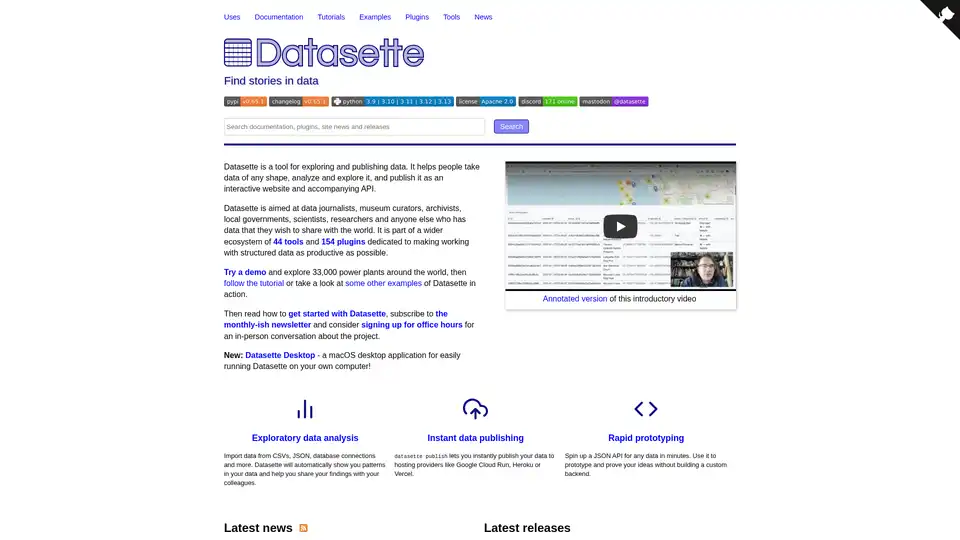
Datasette is an open-source tool for exploring and publishing data. It helps analyze data, create interactive websites & APIs, and is ideal for data journalists, researchers, and anyone sharing data.
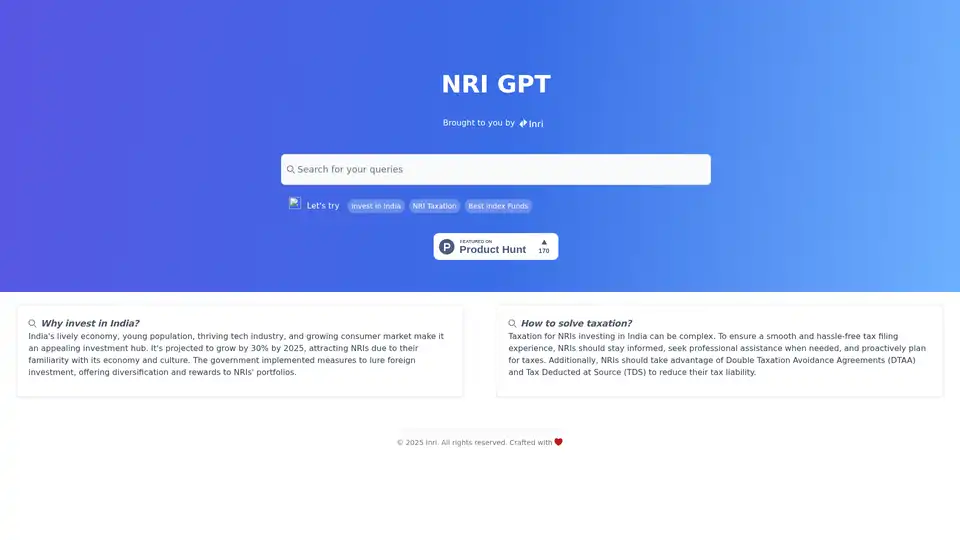
NRI GPT is an AI-powered assistant using ChatGPT technology to provide expert guidance on India investment opportunities and NRI taxation matters for non-resident Indians.
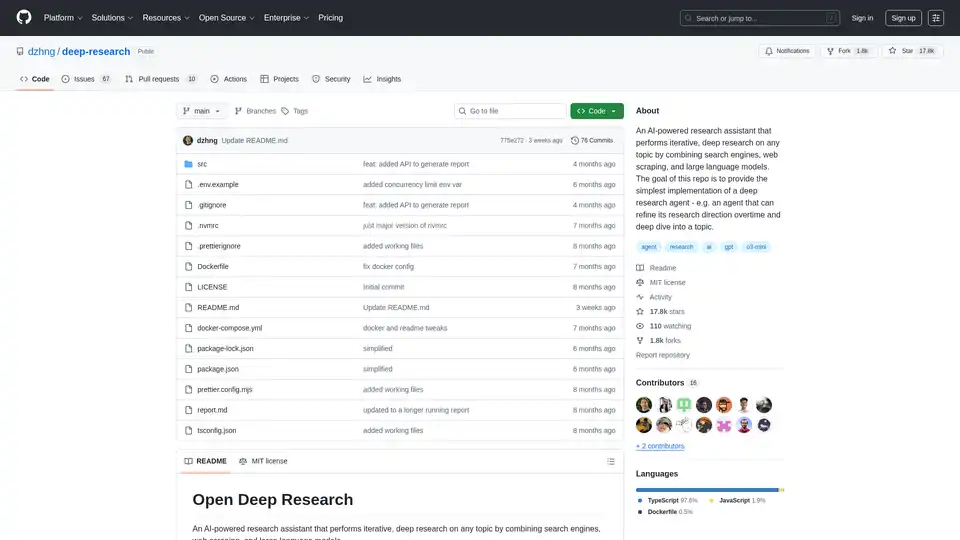
Deep Research is an AI-powered research assistant that combines search engines, web scraping, and LLMs for iterative, in-depth research on any topic. Simplifies deep dives with intelligent query generation and comprehensive reports.
GPT Researcher is an open-source AI research assistant that automates in-depth research. It gathers information from trusted sources, aggregates results, and generates comprehensive reports quickly. Ideal for individuals and teams seeking unbiased insights.
Paper Pilot was an AI-powered research tool designed to simplify literature reviews and boost research productivity with AI-driven summaries, interactive insights, and smart workflow tools.
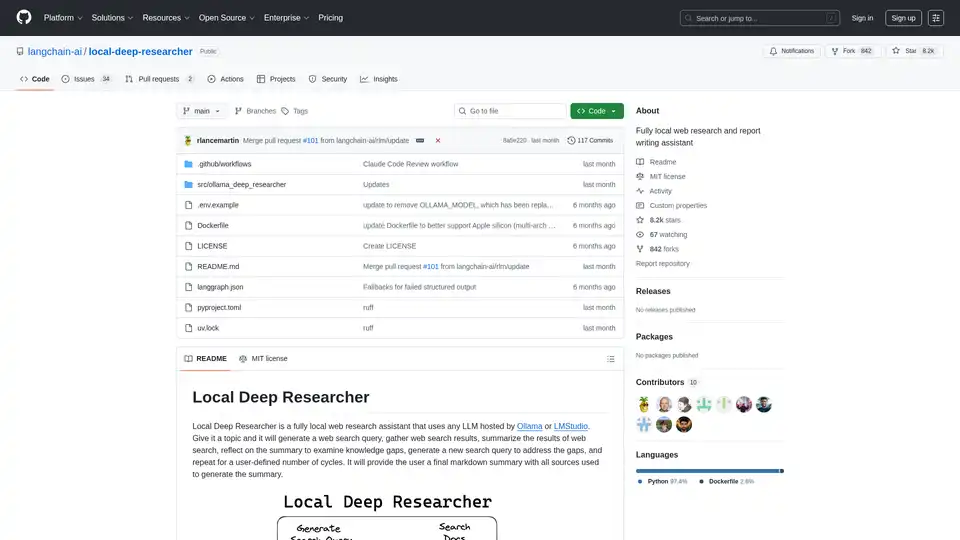
Local Deep Researcher is a fully local web research assistant that uses LLMs via Ollama or LMStudio to generate search queries, gather results, summarize findings, and create comprehensive research reports with proper citations.
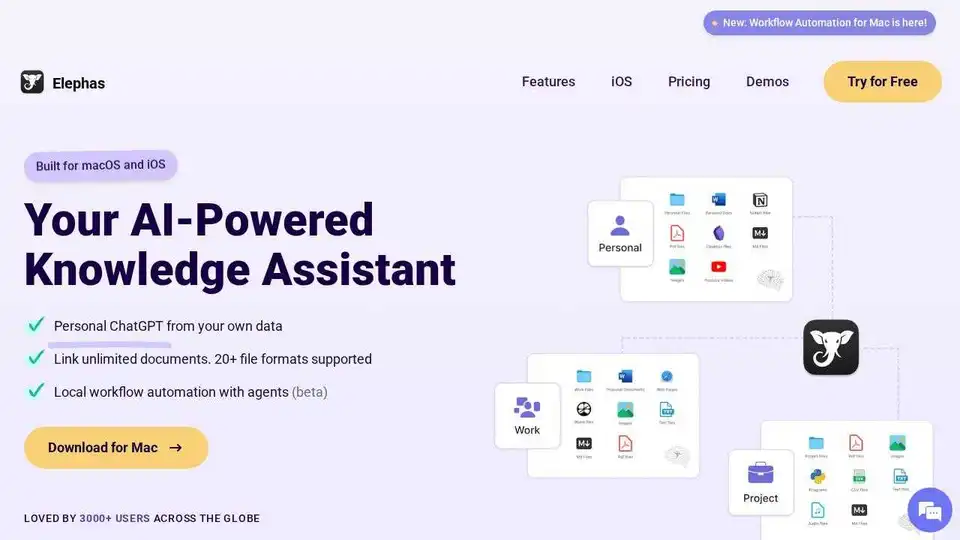
Elephas is an AI-powered personal knowledge assistant for Mac, iPhone & iPad. Search, summarize, and reason over your files, notes, and docs. Personal ChatGPT from your own documents and notes.
Bring your ideas to life faster by having AI contextually explain, generate and refactor code.
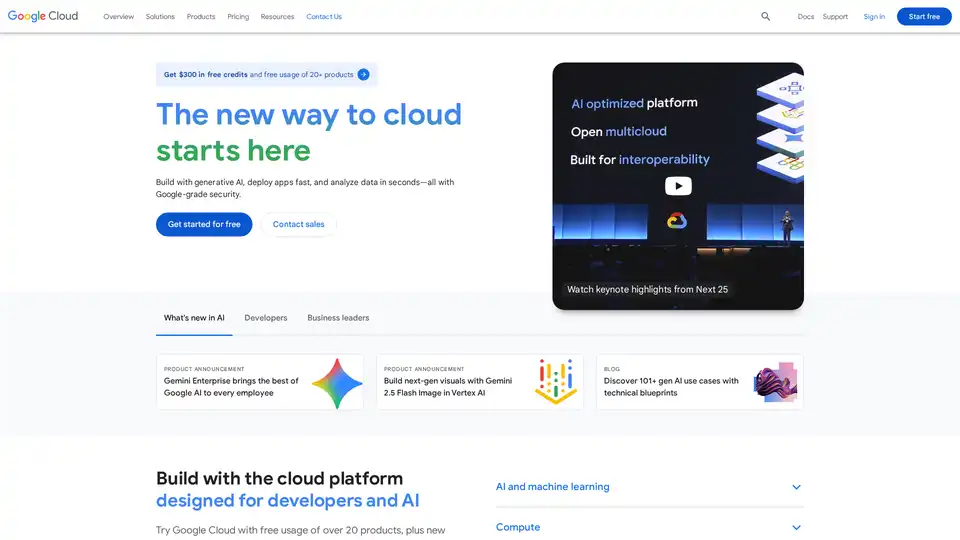
Google Cloud offers a comprehensive suite of cloud computing services, including AI/ML, data management, and hybrid/multi-cloud solutions. Build and scale applications with Google-grade security.
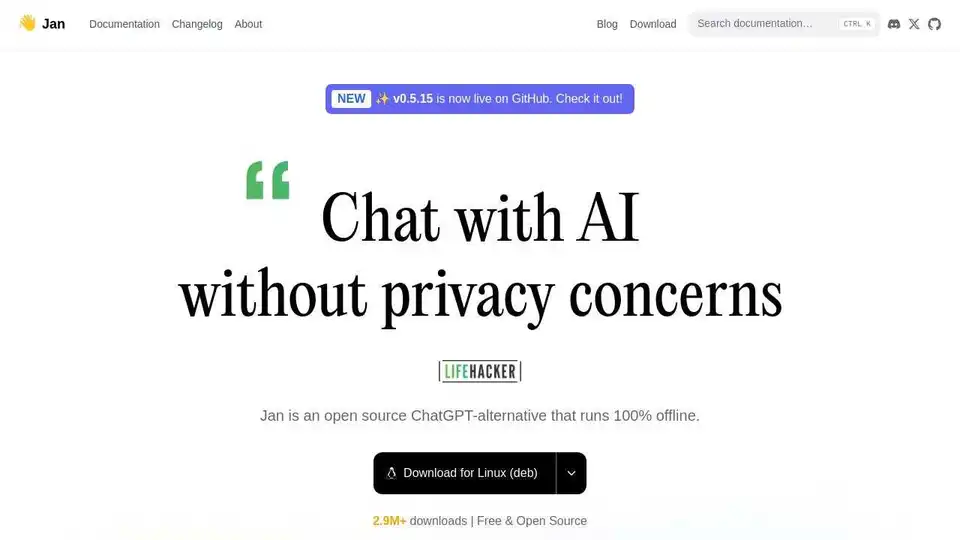
Jan is an open-source, offline-first AI client. Run Large Language Models (LLMs) locally with privacy and no API bills. Connect to various models and services.
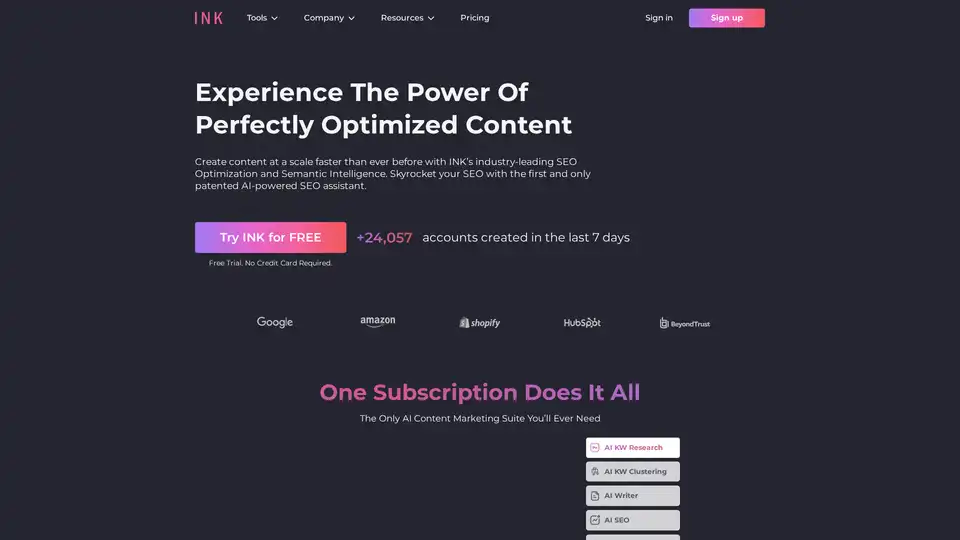
INK is an AI content assistant designed to help marketers and writers create optimized content faster. It offers features like AI keyword research, AI writing, SEO optimization, and plagiarism protection.
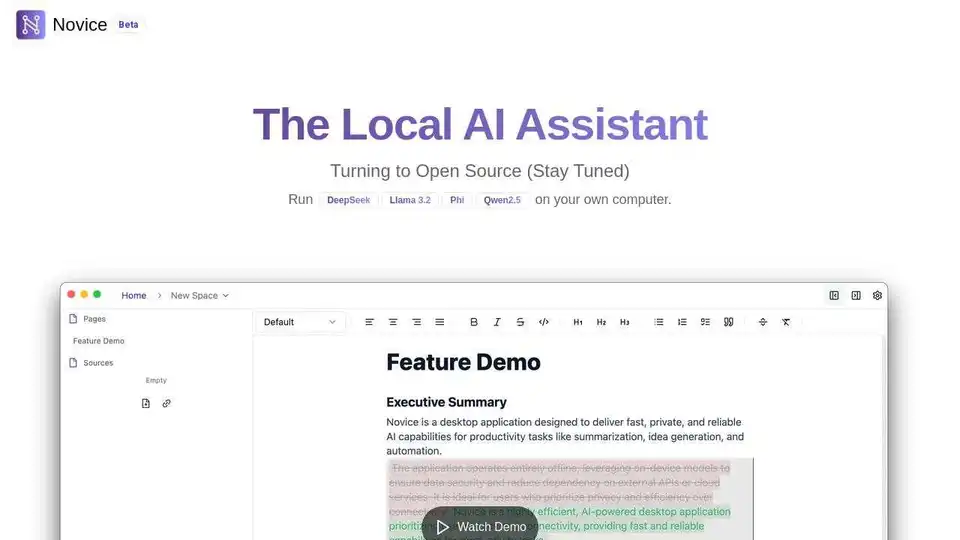
Novice is a local AI assistant that runs offline, turning sources into a knowledge base with clear citations.
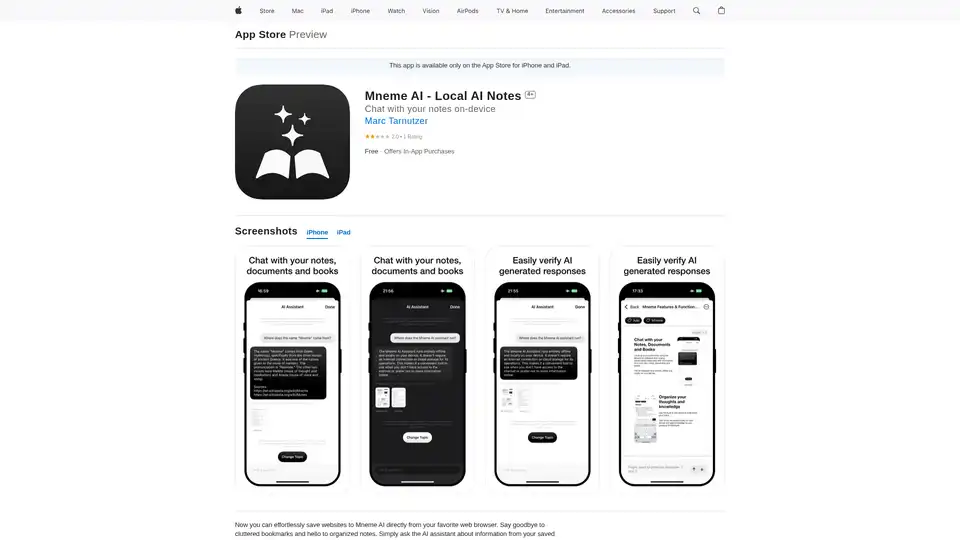
Mneme AI is an iPhone and iPad app that uses local AI to help you take and organize notes. Chat with your notes offline and boost your productivity.
Acuration IQ is an AI-powered market decoder that transforms complex data into actionable insights for B2B synergies, market research, and data-driven decision-making.