
Milk Infrastructure

Overview of Milk Infrastructure
What is Milk Infrastructure?
Milk Infrastructure is an AI-powered platform designed to automate the deployment, management, and scaling of production-grade Kubernetes clusters on any cloud. It eliminates the need for human DevOps, making it easier and more cost-effective for developers to deploy and manage their applications.
Key Features:
- Brutally Simple Deployment: Developers can deploy applications without requiring extensive DevOps or infrastructure knowledge.
- Cost-Effective Scaling: Milk dynamically scales resources, preventing overspending on cloud resources.
- Any Cloud Provider: Compatible with any cloud provider or on-premises infrastructure.
- Production Grade Kubernetes: Creates secure, compliant Kubernetes clusters suitable for production environments.
How to Use Milk Infrastructure?
- Connect your GitHub: Link your GitHub repository to Milk Infrastructure.
- Choose Deployment Type: Select whether you're deploying a service, cron job, or worker.
- Automated Kubernetes Cluster Creation: Milk will create a Kubernetes cluster with minimal resources needed to run your service and scale dynamically.
Infrastructure as Code (IaC)
Milk uses AI systems to create and manage clusters by writing infrastructure as code, ensuring consistency and automation. It also uses built-in CI/CD to automatically deploy your latest commits.
Why is Milk Infrastructure Important?
Milk Infrastructure addresses key challenges in deploying and managing Kubernetes, such as complexity and cost. By automating these processes, it enables developers to focus on building applications rather than managing infrastructure.
- Seamless Developer Experience: Provides developers with FAANG caliber developer experiences from day one.
- Built-in CI/CD: Streamlines the deployment process.
- One-Click Production Clones: Simplifies creating copies of production environments.
- Seamless Localhost Testing: Enables easy testing in local environments.
Where can I Use Milk Infrastructure?
Milk Infrastructure is suitable for various use cases, including:
- Deploying web applications
- Running background jobs and workers
- Scaling applications based on demand
- Managing Kubernetes clusters across multiple cloud providers or on-premises
Best way to Deploy with Milk Infrastructure?
The best way to deploy with Milk Infrastructure is to:
- Ensure your application is containerized.
- Connect your GitHub repository to Milk.
- Configure your deployment settings, such as resource limits and scaling policies.
- Let Milk automate the creation and management of your Kubernetes infrastructure.
User Review:
Samuel Yoon, CTO of a Stealth Startup, says:
“Milk helps us manage and deploy kubernetes in production without hiring any devops engineers. It's easier than Render or Heroku and much cheaper.”
Best Alternative Tools to "Milk Infrastructure"
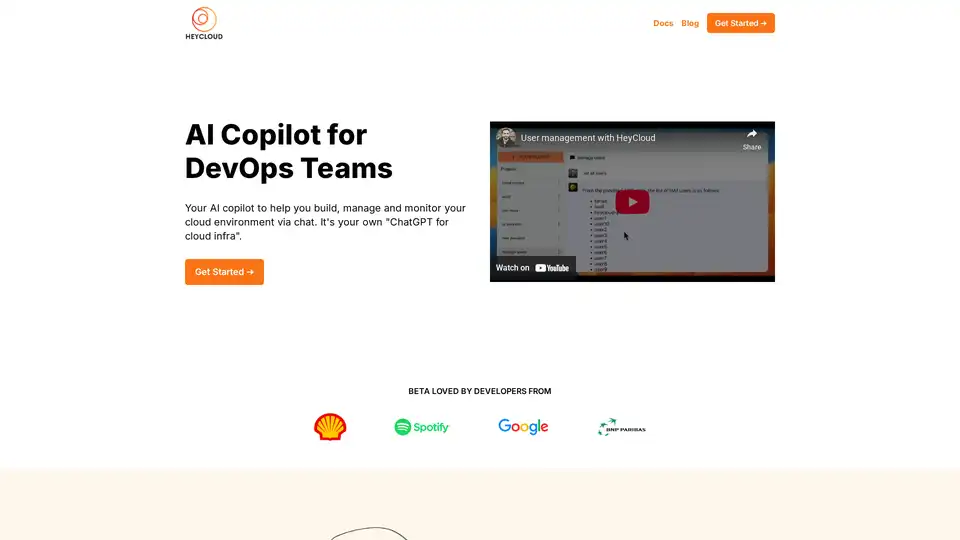
HeyCloud is an AI copilot for DevOps teams that streamlines cloud management by enabling users to build, manage, and monitor AWS environments using plain English. It integrates with DevOps tools for seamless workflows.
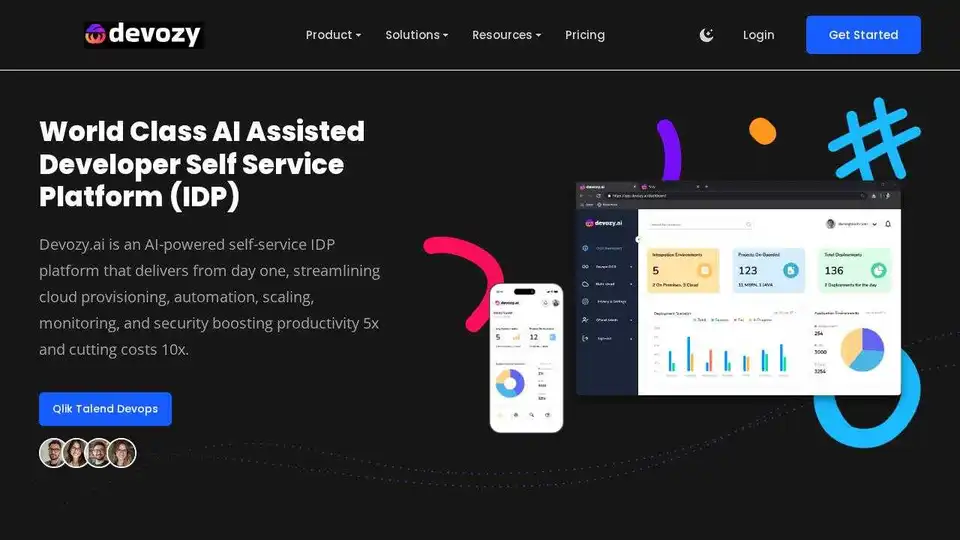
Devozy.ai automates DevOps, enabling developers to focus on building products with instant environments and readymade CI/CD pipelines.
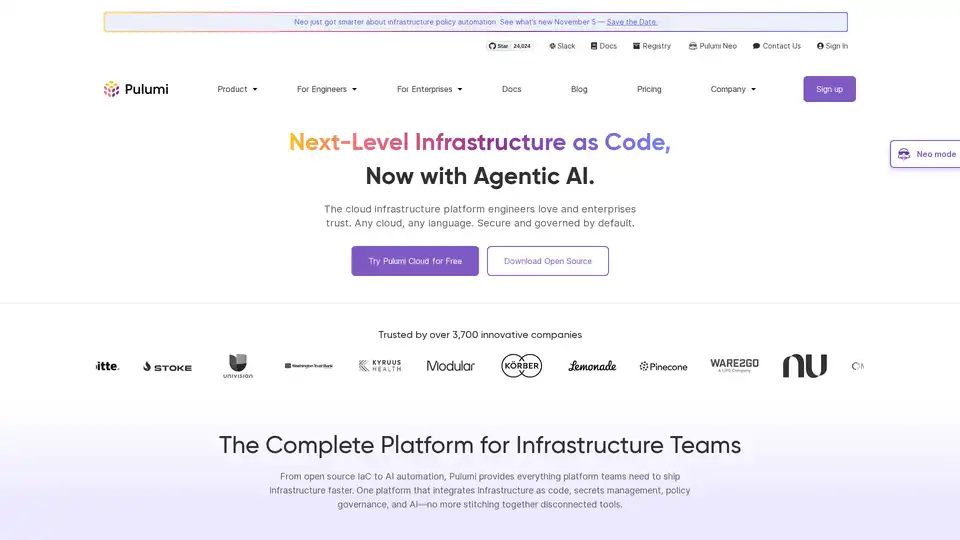
Pulumi is a cloud infrastructure platform that allows engineers to use familiar programming languages to define and deploy infrastructure. It supports AI automation, secrets management, and policy governance.
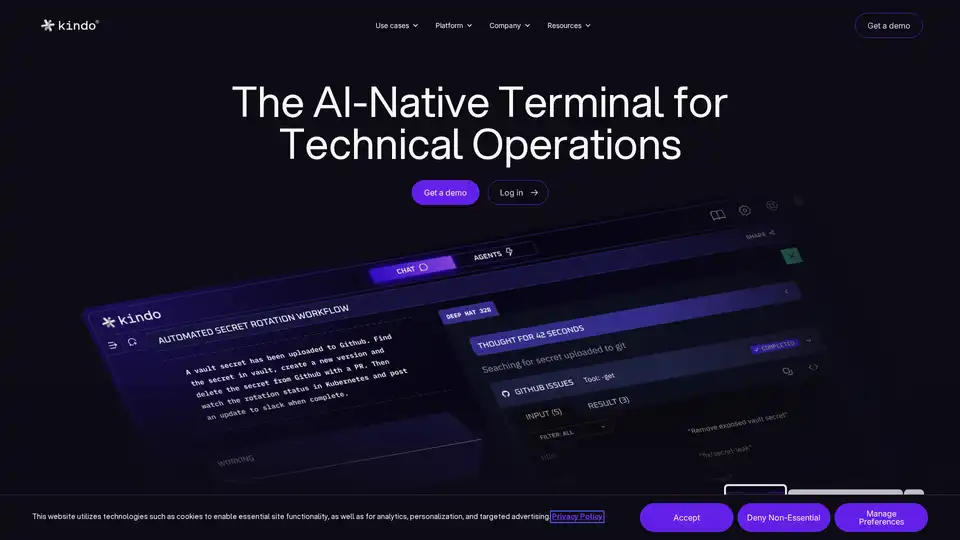
Kindo is an AI-native terminal designed for technical operations, integrating security, development, and IT engineering into a single hub. It offers AI automation with a DevSecOps-specific LLM and features like incident response automation and compliance automation.

ClawCloud Run is a high-performance cloud-native deployment platform featuring integrated GitOps workflows, Docker/Kubernetes support, GitHub integration, and AI automation tools for developers.

Eliminate misconfigurations with CloudTruth, a secrets and config data platform. Reduce outages and security breaches caused by config errors.

CertGenAI offers affordable, AI-powered practice tests and certification exams across various subjects, including AI, DevOps, and data analytics. Validate your skills with tests designed by industry experts.

Cron AI Builder is an online tool that helps users generate cron expressions effortlessly using natural language descriptions and AI technology for task scheduling automation.

Convert natural language to cron expressions instantly with Text2Cron. Describe scheduling in plain English and get the cron syntax automatically.
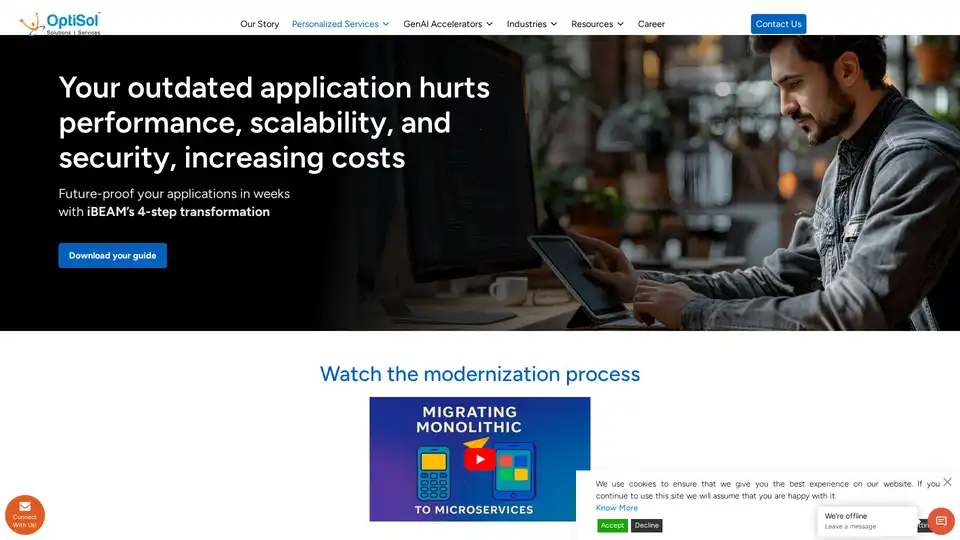
Modernize your legacy applications in weeks with iBEAM’s AI-powered 4-step process. Boost performance, cut costs, improve security, and ensure scalability with expert-led app transformation.

Parny is an AI-powered on-call management & alerting service for IT teams. Integrates with 40+ monitoring tools, offering smart on-call schedules, incident recommendations, and real-time infrastructure monitoring with Parny InfraMap.
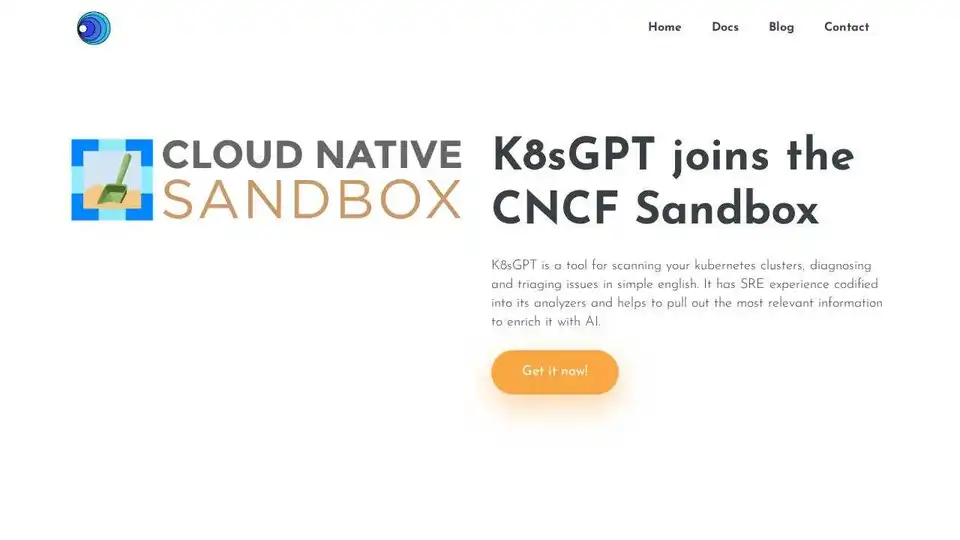
K8sGPT is an AI-powered tool designed to diagnose and fix Kubernetes issues. It offers intelligent insights, automated troubleshooting, and integrates with Claude Desktop for enhanced management.

AquilaX Security is an AI-powered DevSecOps platform that automates security scanning, reduces false positives, and helps developers ship secure code faster. Integrates SAST, SCA, container, IaC, secrets, and malware scanners.
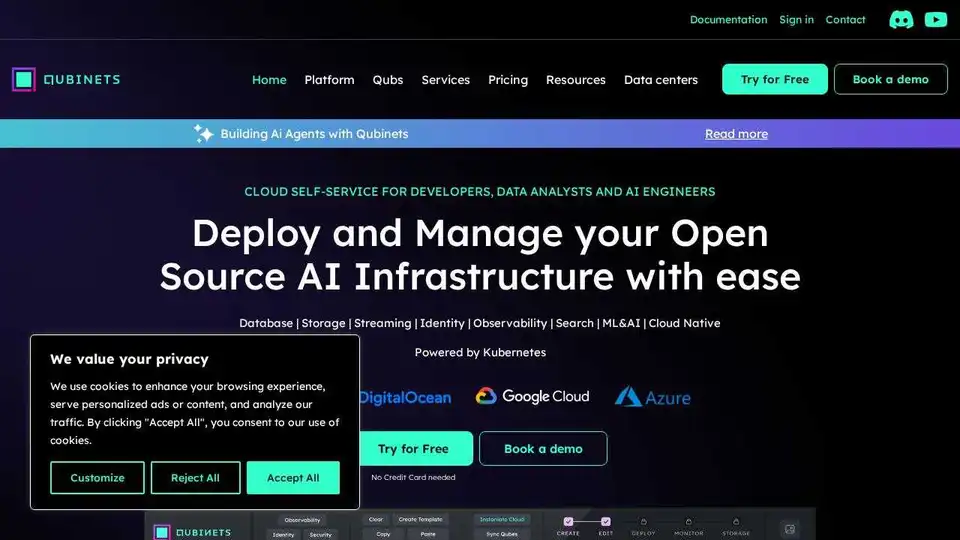
Qubinets is an open-source platform simplifying the deployment and management of AI and big data infrastructure. Build, connect, and deploy with ease. Focus on code, not configs.